Images – Copyright Informationfrance.
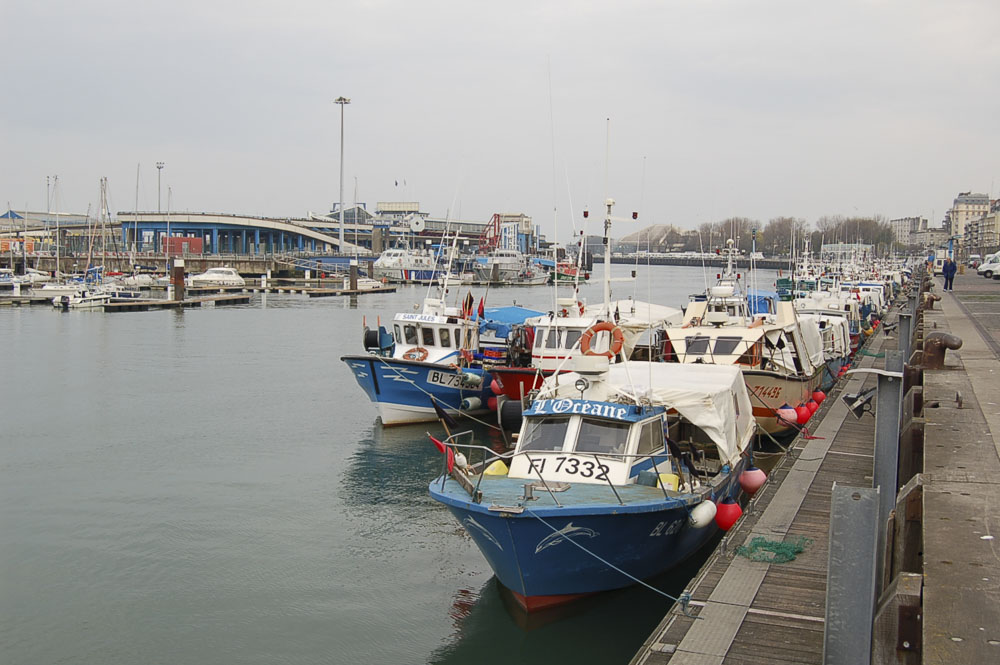
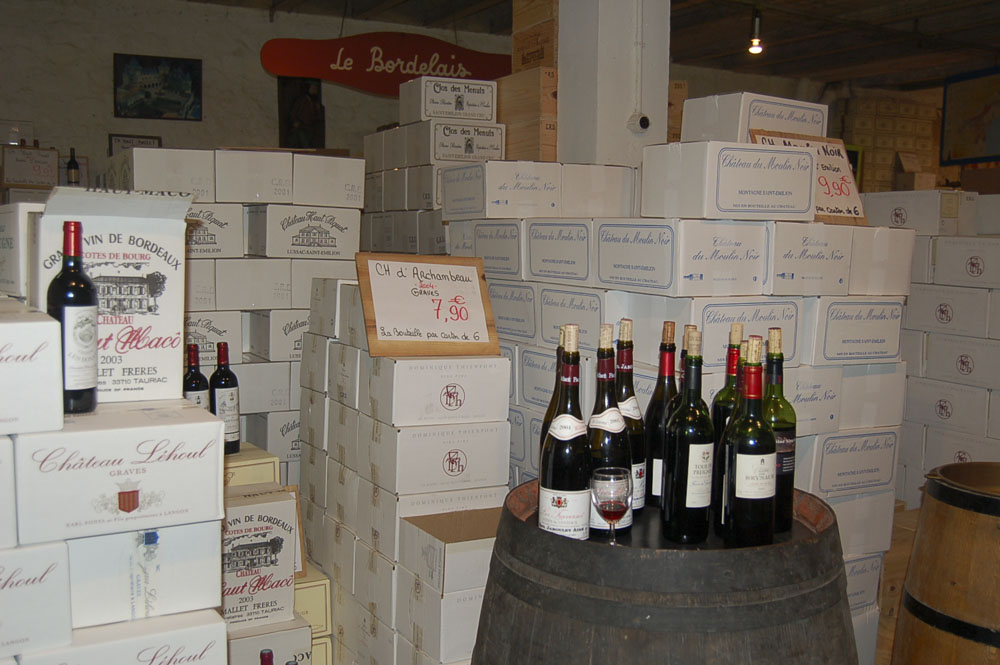
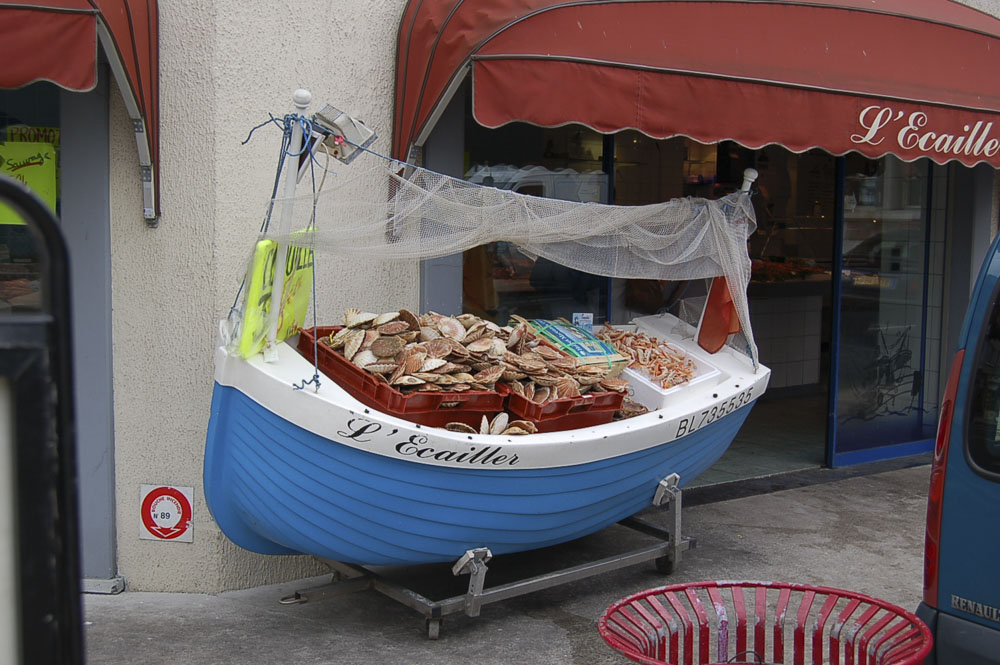
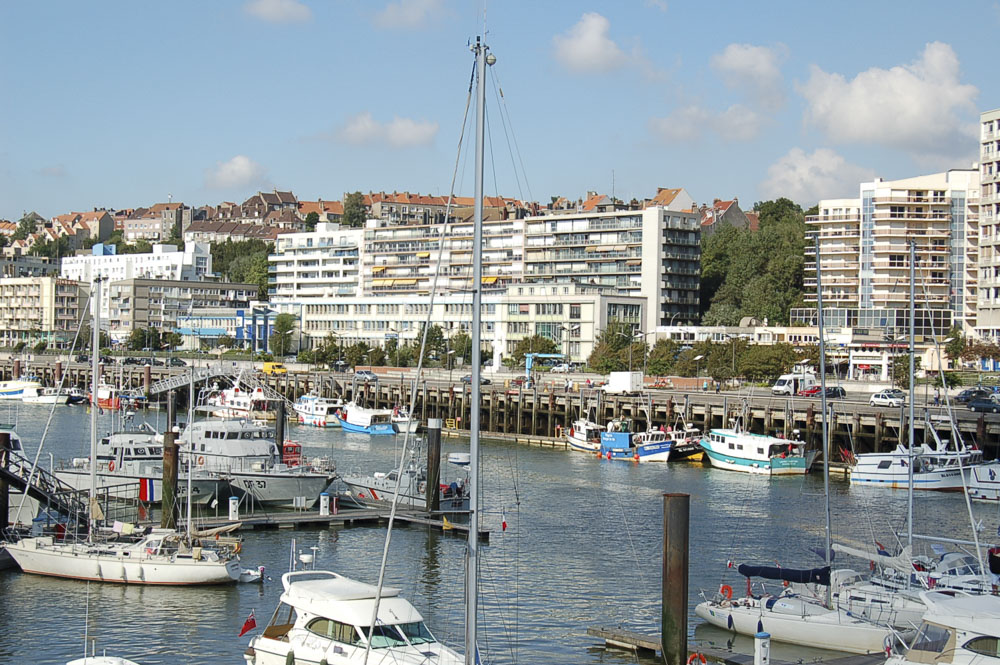
Boulogne-sur-Mer is the largest fishing port in France and so the emphasis, as you would expect, is very much on seafood and all things connected with the sea. Apart from the stalls along the edge of the port, there is also Capécure, the commercial port where the fish is auctioned, frozen, salted, smoked and generally processed. The Chamber of Commerce organises guided tours for groups and it is fascinating to visit – and you can also buy fish to take home.
Book a Hotel in Boulogne-sur-Mer
Book a Chateau or Manoir in the Pas-de-Calais

Book a Holiday Cottage in the Pas-de-Calais

Centre Ville
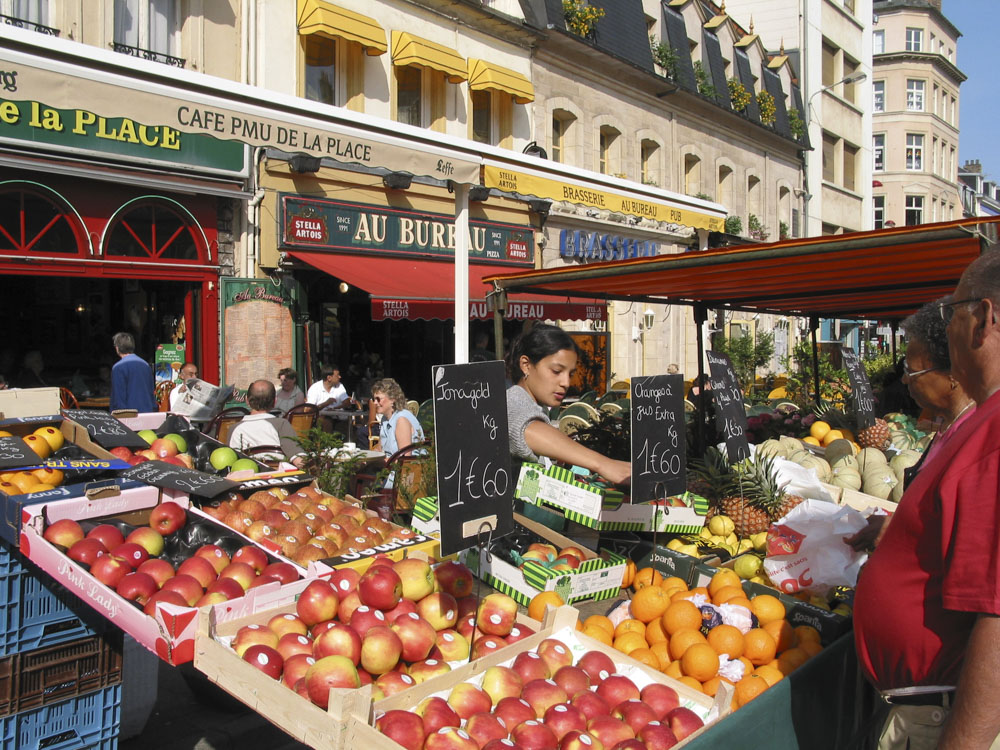
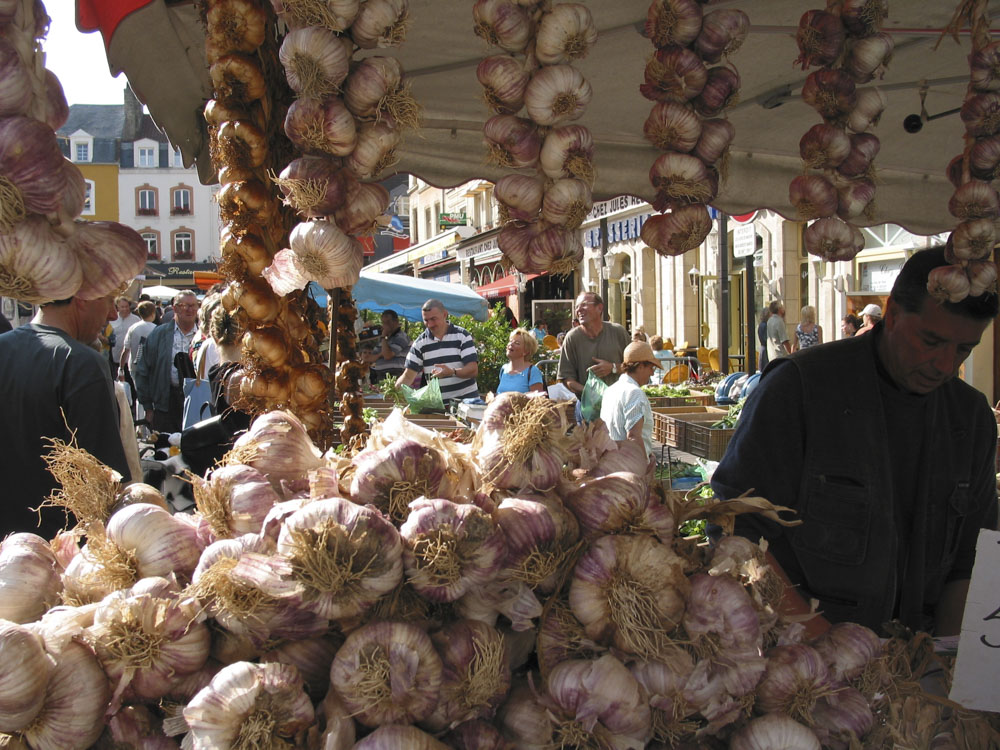
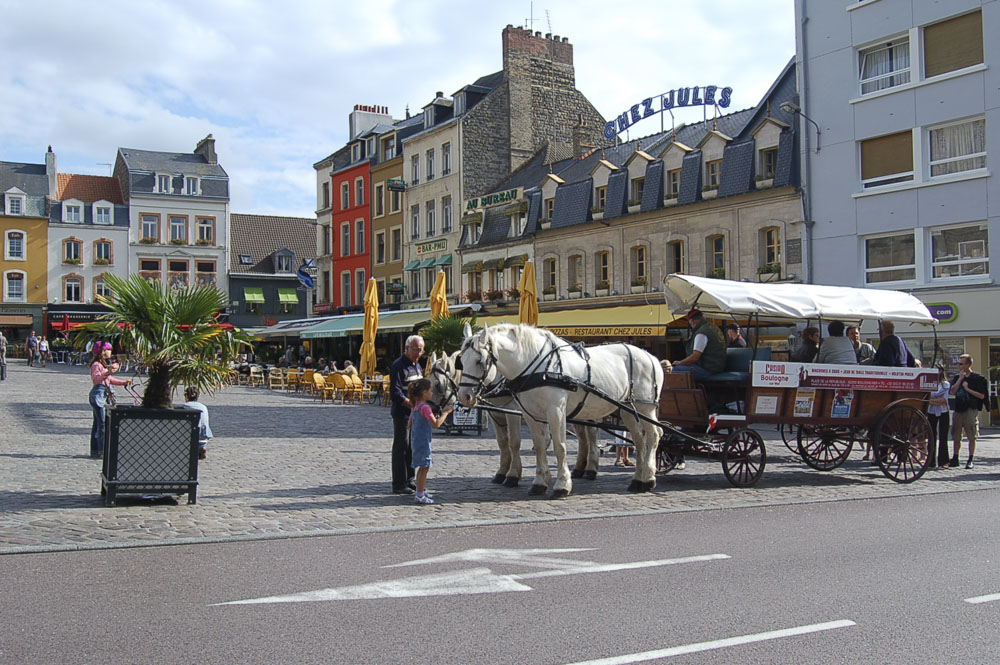
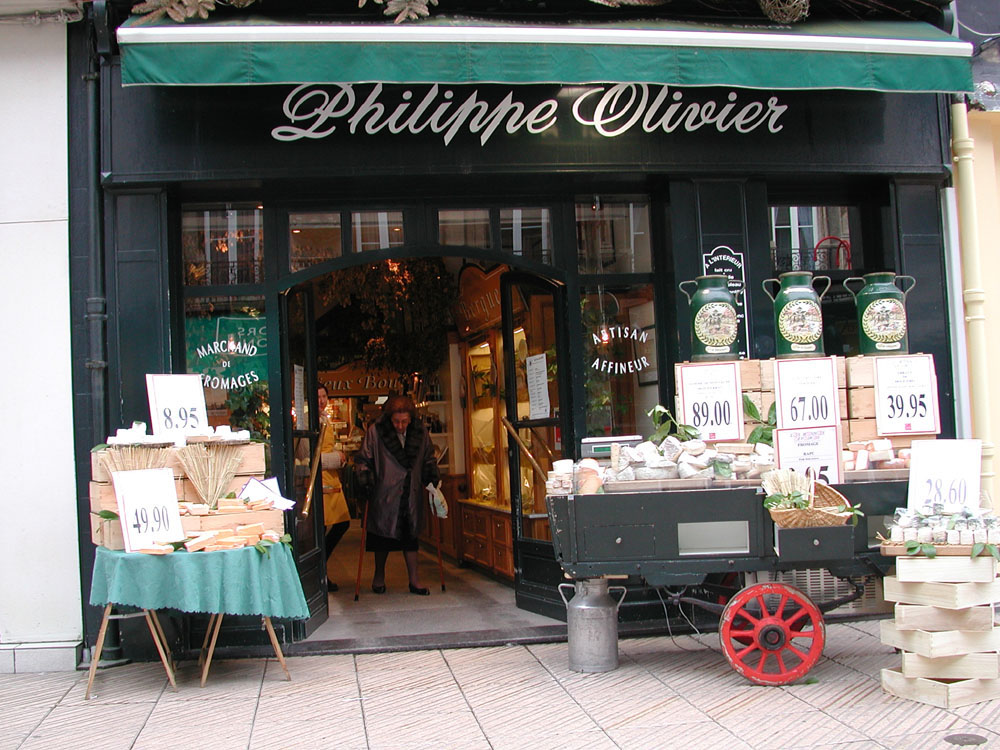
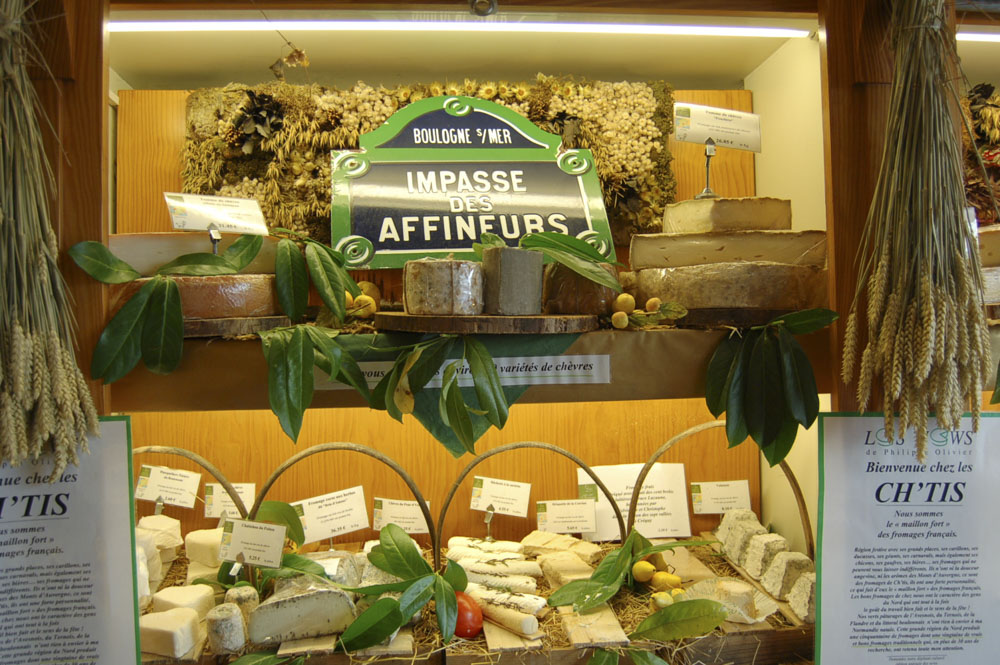
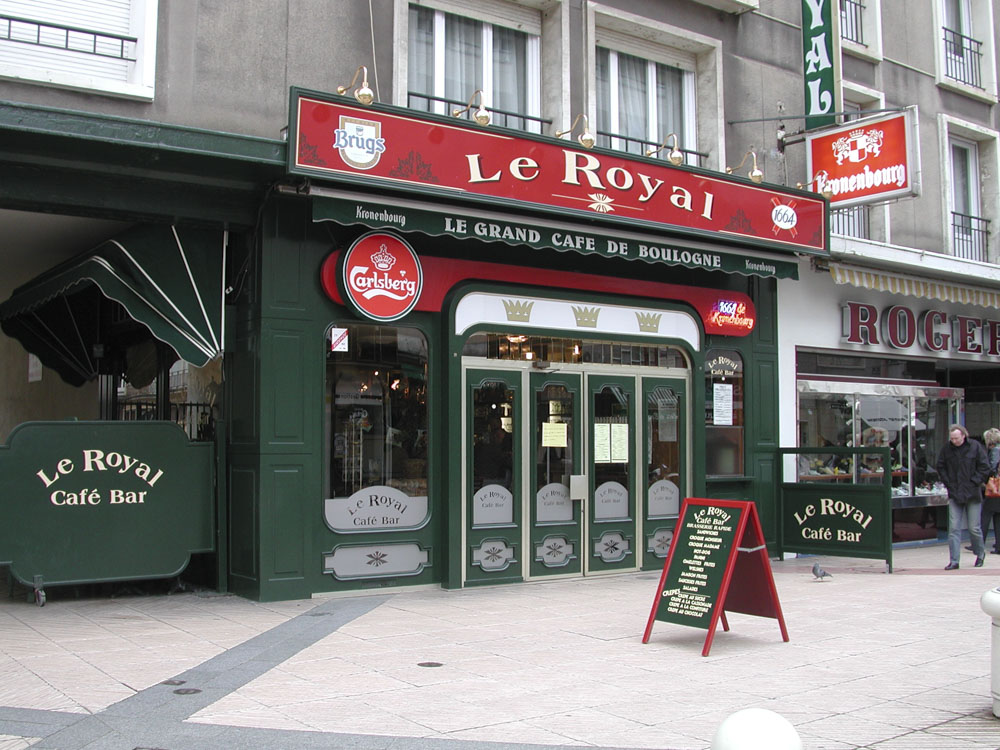
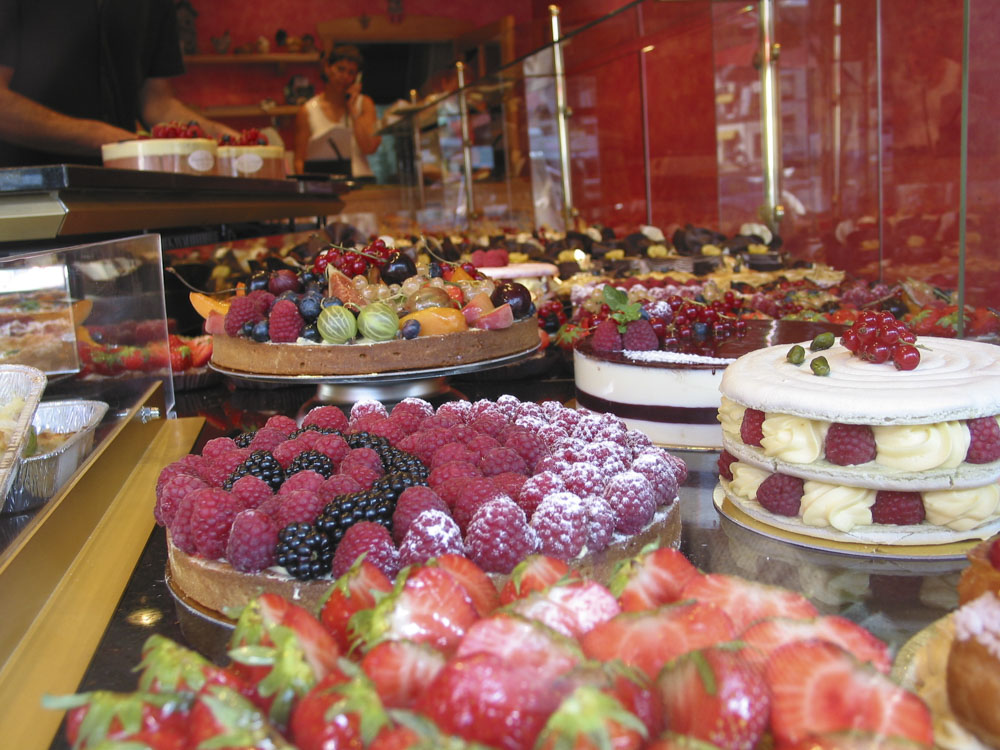
Much frequented by the British in the 19th century when the South Eastern railways owned the port of Folkestone and the route to Boulogne rivalled that of Dover to Calais for the cross channel trade, this route was abandoned in recent years. A new service is bringing the British back to Boulogne but in reality, the British have never stayed away. Boulogne with its cobbled square and vibrant market, its superb seafood restaurants and bistros has always had great appeal. The “Centre Ville’ of Boulogne is a bustling mixture of shops, restaurants and cafés, bisected by pedestrian streets and with the cobbled square surveyed by the ancient Church of St Nicolas, protector of sailors, the oldest church in Boulogne. Parts of the choir date from the 13th century whilst the façade was restored in the 18th Century. The market takes place in Place Dalton, just in front of the church,on Wednesday and Saturday mornings and is full of colourful local produce.
The Old Town
At the top of the town, lies the ‘old town’, the administrative and religious centre of the town, dominated by the belfry and dome of the Cathedral. The Rue de Lille leads up from the square where the Town Hall stands and is lined with a variety of shops and plentiful restaurants where you can revive yourself before visiting the historic sites. In the crypt of the Cathedral, you can still see the stone cannon balls employed by Henry VIII when he besieged and captured Boulogne at one stage. Vast ramparts built at the beginning of the 13th century on the foundations off the Gallo-Roman walls, with four gateways, surround this part of town. From the walkways there is an amazing view of the old port and the main town. In a corner is the 13th century Château, with its moats filled with water and waterlillies, modified in the 16th and 18th centuries. Boulogne also has a Natural History Museum. At the City Library in the Annunciates, you can visit the gardens and cloisters whilst the Maison de La Beurière chronicles the life of fishermen in the olden days. There is even a Casino, a bowling alley and two golf courses nearby. Overall, Boulogne has much to offer, whether for a day trip, a weekend break or perhaps a longer stay to soak up the many pleasures to entrance you in this charming seaside port.
Colonne de la Grande Armée
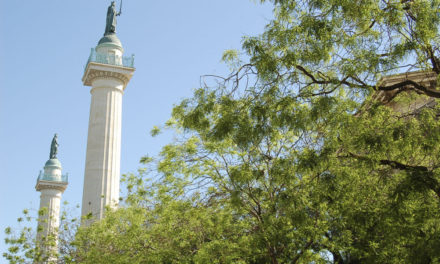
From the Port, past the Place, the route towards the Old Town with its Basilica, such a feature of the Boulogne skyline – lies up the Grande Rue with yet more mouth-watering shops to tempt you. Over the last 2000 years many Emperors visited Boulogne, including Caesar who had a naval installation there in around 55BC, but by far the most formidable was Napoleon 1st. He rekindled his dream of conquering England and installed a garrison of 185,000 men and a flotilla of 2,000 boats in 1803. The vast ‘Colonne de la Grande Armée’ which rises to 50 metres on a hillside to the north of Boulogne is surmounted by a statue of Napoleon and built of ‘boulonnais’ marble. From the top of the staircase within, the panoramic view extends, on a clear day, to Dover castle. In 1805, war with Austria caused Napoleon to abandon his thoughts of invasion and the garrison was removed. The ‘Poudrière’ or powder magazine, is the only remnant of the installation – a square brick built building with air holes where 120 powder kegs were stored, the circulation of air preventing them from becoming damp and unusable.
Nausicaa
Just up the hill to the East – Visit the NAUSICAA Aquarium – Come and discover the new scenery and experience our interactive display area with its animations, reports and live broadcasts! Apart from Christmas day and a few days in January, the centre is open all the year round.
Restaurants
La Matelote….Tony Lestienne, one of the great chefs in france…read more
L’Ilot vert…. Delphine always give you a great welcome…read more
Maison de La Beuriere
Opposite NAUSICAA, La Matelote is the place to stop for a feast of epicurean proportions and after lunch you can walk it off, watching the sand yachters as they dart up and down the spacious beach or visit the fascinating ‘Maison de La Beurière’ in the Rue Machicoulis, a museum of life in days gone by in the fishing community, when the house itself was a fisherman’s home.
Travel & Tourist Office
By Car
Book your crossing now with Eurotunnel –
Distance from Coquelles – Under half an hour – 30 Kms (Approx)
Boulogne-sur-Mer Tourist Office, Parvis de Nausicaa, BP 187 – 62203 Boulogne-sur-Mer cedex. Tel 0033 (0)3 21 10 88 10
Copyright: Text: Sarah Francis
Copyright photographs: informationfrance / Copyright Pascal Baril / Planete Bleue – Images NAUSICAA